With the rapid advancement of VoIP (Voice over Internet Protocol) technology, many companies today face an important question:
The first step you should consider when building a modern VoIP communication system for your company or organization is:
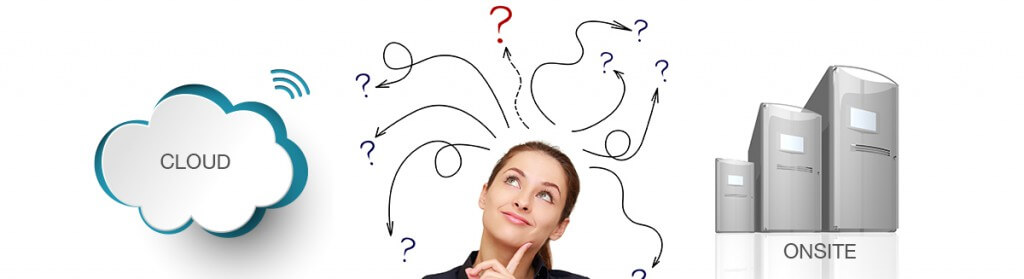
Should we purchase and host our own on-premise VoIP system, or should we subscribe to a cloud-based VoIP service?
If you’re not deeply familiar with VoIP systems, choosing between the two can seem confusing. However, consulting with a VoIP technology expert can make the decision much easier and simpler without complications.
Nevertheless, it’s better to have some basic understanding of VoIP technology before consulting experts.
After reading this article, you will have a clear picture of which VoIP solution best fits your business environment.
Before reading this article, you may want to review our previous article titled VoIP on Cloud Computing to learn how cloud-based communication systems work and their key advantages.


1. Cloud-Hosted VoIP Systems
A cloud-hosted VoIP service is an ideal choice for small businesses, startups, and organizations with limited budgets. That’s because everything is handled by a third-party provider.
One of the main advantages of hosting is that there’s no need for expensive equipment or a specialized technical team. This solution is suitable for small companies with limited budgets.
Key Benefits of Cloud VoIP:
- Low setup costs: You don’t need to buy equipment, servers, or pay for licenses, etc.
- No need for an in-house IT team: The VoIP hosting provider is responsible for everything, saving time and money.
- Management flexibility: Easy system control, flexible expansion or downsizing, and easy management from anywhere.
2. On-Premise VoIP Systems
An on-premise VoIP system means you will build your communication system from A to Z, starting with purchasing servers, equipment, licenses, and phones, taking backups, and ending with providing a highly skilled team to manage the entire system.An on-premise VoIP system is more suitable for medium and large enterprises, which often require specific settings and features customized to fit the organization.
Key Benefits of On-Premise VoIP:
Complete Control and Flexibility:
Since the entire communication system is within your company, this means you have complete control over the system with the ability to install it or integrate it with other systems in your company, such as integrating it with a CRM (Customer Relationship Management) system, for example.
Dedicated Technical Team:
Since all equipment and the entire system are in your company, it’s preferable to have a dedicated team to manage this system and solve recurring problems.
Higher Setup Costs with Lower Monthly Expenses:
Despite the relatively high cost of setup requirements or building the system (phones, servers, switches), it’s a good long-term investment. Monthly expenses will decrease, allowing you to save on operational costs.
What’s Next?
Now that we’ve reviewed some differences between cloud-hosted and on-premise systems, whether you’ve made a decision or are still looking for the best solution for your company, you should consult with a communication solutions expert and service provider to discuss your ideas and needs to determine the best solution that fits your company’s nature and business.
XonTel is one of the leading VoIP service providers and a major developer of VoIP technology. Whether you’ve decided to build your system on-premise or on the cloud, you can request consultation and benefit from their expertise in this field.
Some sources.
For more information, contact us now click here
Frequently Asked Questions (FAQ)
What is the difference between a cloud VoIP system and an on-premises VoIP system?
A cloud VoIP system runs on the service provider’s servers in exchange for a periodic subscription, while an on-premises VoIP system is installed on servers and equipment located inside the company’s premises, with the company responsible for managing, maintaining, and securing it.
What are the basic criteria for choosing the right VoIP strategy for my company?
The choice mainly depends on the size of the company, the available budget, and the extent of the need for control over the infrastructure. Cloud systems suit startups and small businesses, while larger companies tend to prefer building the system on-premises.
Which is better: hosting VoIP technology on the cloud or running it on-premises?
The choice depends on the size of the company, budget, number of users, the level of control required, and the availability of a specialized technical team. A cloud system is generally suitable for companies that need fast deployment and simplified management, while an on-premises system suits organizations that need greater control and customization.
When is a cloud VoIP system the right choice?
A cloud VoIP system is suitable for small and medium-sized businesses, multi-branch companies, remote work teams, and organizations that do not want to purchase servers or hire a specialized team to manage the communications system.
When is an on-premises VoIP system the right choice?
An on-premises VoIP system suits medium and large companies that need customized settings, complex integrations, or direct control over servers and data, and that have a technical team capable of managing and maintaining the system.
Which system is less costly: cloud VoIP or on-premises VoIP?
A cloud system is usually less costly at the outset, as it does not require a major investment in servers and equipment. An on-premises system may have a higher initial cost, but it may reduce some monthly expenses in the long run, depending on the size of the company and operating and maintenance costs.
Which of the two systems offers greater control over VoIP technology?
An on-premises VoIP system typically offers greater control over servers, settings, updates, and integrations. However, some cloud platforms offer advanced management and customization options through a centralized control panel.
Can cloud VoIP and on-premises VoIP be combined?
Yes, a hybrid system can be used that combines on-premises infrastructure with cloud services, allowing the company to keep some systems on-site while using the cloud for branches, backup, or certain services.