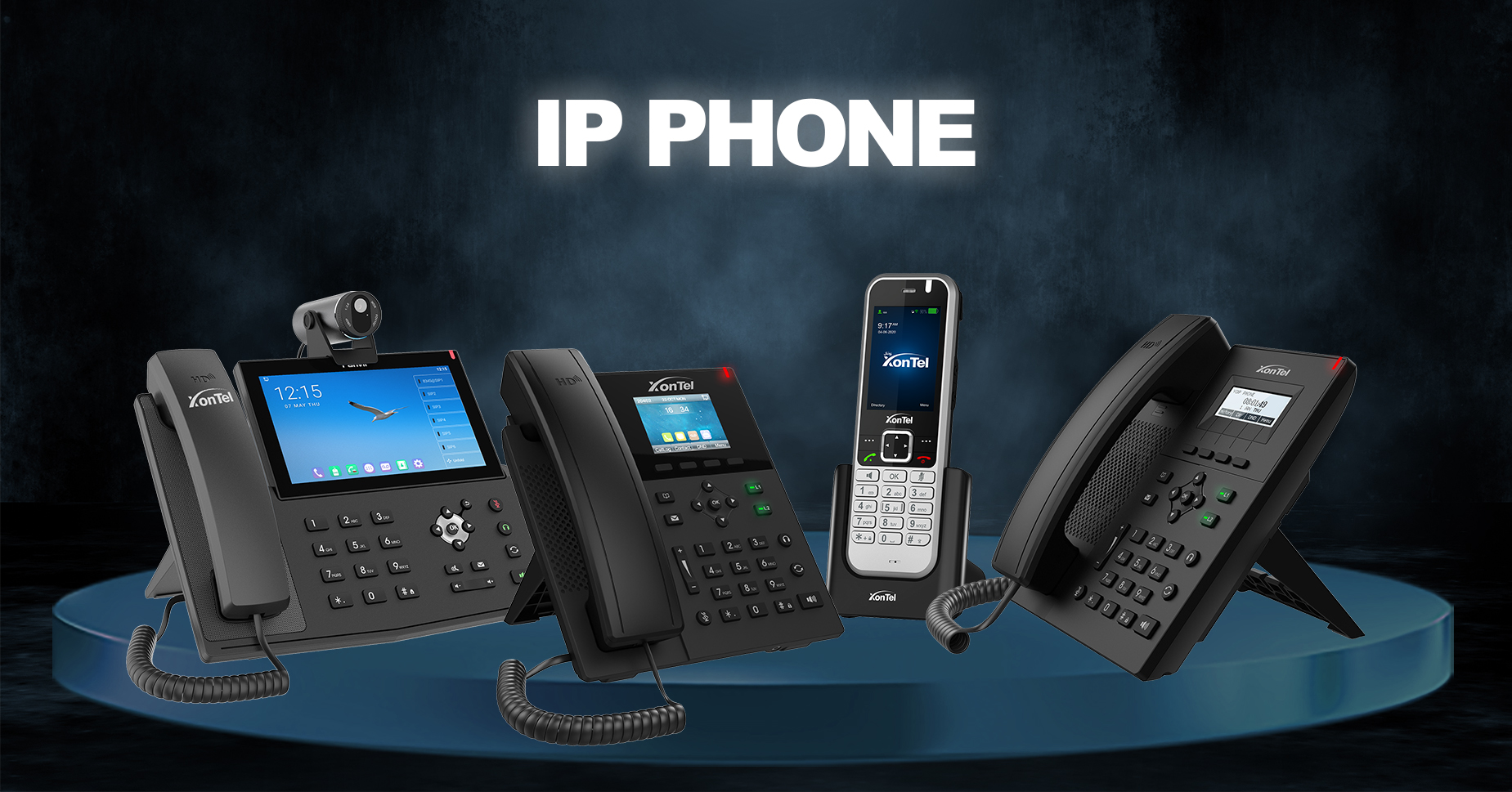
Types of IP phones & how to choose the most suitable one

Types of IP or VoIP (Network) Phones

IP phones or VoIP phones are devices that use Voice over Internet Protocol (VoIP) technology, which enables making calls over the Internet instead of using traditional landline systems that rely on analog switched telephone networks.

With technological advances and the wide range of features offered by these phones, most companies now rely on IP or VoIP phones through their managed private networks or the internet.
How to choose a VoIP phone

Today, most companies use a combination of smartphones and mobile apps alongside VoIP phones, as this gives them greater flexibility in creating an internal communication system. Xontel recommends using both types, as smartphones and mobile apps are free.

When deciding whether a desk phone is necessary, it’s important to consider whether employees are more comfortable using an IP phone and whether it’s more suitable for their job. Call centre agents may prefer to have a desk phone, but they will most likely use a headset – so choose an IP phone with built-in Bluetooth or USB ports to allow them to easily connect their devices.

Several points should be taken into consideration before setting up the communication system, such as:

  • Is the phone model and its operating system compatible with your internal communications system?
  • What features are needed in a phone for each employee? Most employees can efficiently perform their duties using a standard IP phone equipped with basic features and offered at a reasonable cost. However, the requirements for senior staff, executives, and managers may differ. For these roles, there is a need for a more advanced VoIP phone with more additional features and capabilities, which would allow them to save time and communicate more efficiently using a single device.
  • Is the VoIP phone you have chosen compatible with future updates? Make sure it is of the latest generation and is likely to continue receiving software updates for a long time to come.
  • Do you need communications solutions for meeting rooms? There are also many phones designed specifically for this purpose.

Types of VoIP phones

Desktop VoIP Phones

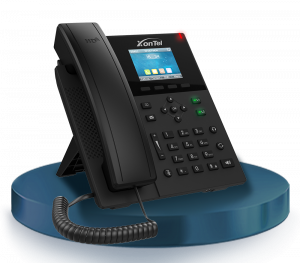
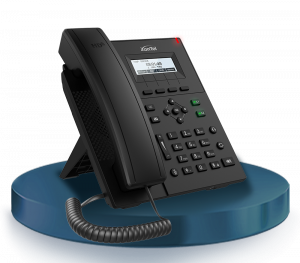
A VoIP phone with basic features, suitable for employees with traditional, routine tasks that do not require advanced phone features. It connects to the VoIP phone system or service provider via the company’s internal network and comes with all the basic features you would expect from a standard phone.

USB Phones

The USB phone connects directly to your computer via a USB port. You can use the USB phone simultaneously with a phone application, for example, you can use it with a program such as Skype.

Wireless IP Phones

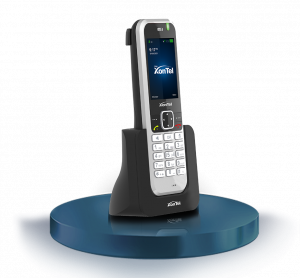
Wireless IP Phone is an IP phone equipped with a Wi-Fi transceiver that connects to an access point or base station. This phone allows you to move freely throughout your company, home, or office while on a call.

Smartphone Application (Softphones)

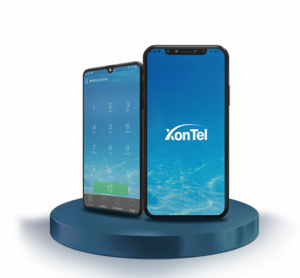
A smartphone application is a software program that is installed on your desktop computer, laptop, or mobile phone and eliminates the need for using an IP phone.

which allows you to complete phone calls from your computer or mobile phone. Smartphones are an excellent option for road workers, mobile professionals, and even call centers because they are cost-effective.

Video Phones

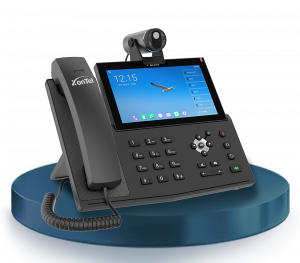
A video phone is an IP phone with the added capability of making video calls using a small camera connected to the phone. Video phones are an excellent alternative to face-to-face meetings, providing a low-cost way to connect and meet with anyone from anywhere in the world.

Conference IP Phones

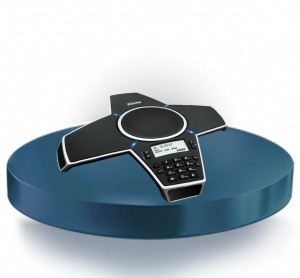
These are specially designed IP phones with built-in external speakers to support meetings and conferences, allowing several people in the same location to listen to a single phone through its external speaker. Conference IP phones are typically used in large offices and meeting rooms, where they also enable multi-party phone calls.

Xontel provides the latest technology that rivals its global counterparts at competitive prices. It also provides a professional and highly skilled support team dedicated to understanding and meeting the needs of all its customers with precision and efficiency, making it the best choice.

For more information, contact us now.

Frequently Asked Questions (FAQ)

What are IP phones (or VoIP phones) and how do they work?

An IP phone (or IP telephone) is a phone device that relies on Voice over Internet Protocol (VoIP) technology to make calls, instead of using the traditional analog landline system. This type of phone allows organizations to connect to the internet or managed internal networks, giving companies high flexibility and advanced efficiency in managing communications.

What are the main types of IP phones?

Types of IP phones include desk phones, USB phones, wireless phones, softphone applications, video phones, and conference phones.
The suitable type varies depending on the nature of the user’s work, where the phone is used, the required features, and the extent of the need for mobility or holding voice and video meetings.

What is a desk IP phone?

A desk IP phone is a fixed device placed on an employee’s desk that connects to the network via an Ethernet cable or, in some models, via Wi-Fi.
It suits employees who work from a fixed location and need regular calls and features such as transfer, hold, a phone directory, and programmable buttons.

What is a USB phone?

A USB phone is a device connected directly to a computer through a USB port, and it works with a calling application installed on the device.
It can be used instead of a traditional computer headset, but it depends on the computer running and being compatible with the calling application used.

What are the basic criteria for choosing the right VoIP phone for your company?

When choosing an IP phone, the following factors should be considered to ensure the best compatibility and performance:

  • Technical compatibility: ensuring the phone model and its operating system are compatible with the company’s internal communications system and can keep up with future software updates.
  • Job requirements: determining the required features based on the nature of the employee’s work; employees with routine tasks suit a basic phone, while managers and executives need advanced VoIP phones that offer more efficient features.
  • Connection accessories: choosing phones with built-in Bluetooth or USB ports if users rely on headsets (such as call center employees).

What phone is suitable for call center agents?

Call center agents typically need an IP phone or a softphone application that supports headsets, high voice quality, and easy call control.
Support for USB or Bluetooth ports is preferable, along with the ability to integrate with the call center system and CRM to speed up work and reduce errors.

Are all IP phones compatible with all PBXs?

No, the degree of compatibility of an IP phone with PBX systems can vary depending on the SIP protocol, software versions, and the features each device supports.
Therefore, it’s necessary to ensure the phone is compatible with the PBX or service provider, especially when features such as programmable buttons, a phone directory, centralized updates, and line monitoring are needed.

Should an IP phone that supports PoE technology be chosen?

It’s preferable to choose a phone that supports PoE when the switch used is capable of providing power through the network cable.
This technology allows data and power to be transmitted through a single cable, reduces the need for a separate power adapter, and makes it easier to run phones from a centralized backup power source.

call2action-En

For more information about XonTel products and services, leave your data and one of our specialists will contact you