You may have come across terms like IP PBX, IP Switchboard, or Internal Telephone Exchange, they all refer to the same concept in the world of modern communications.
Let’s start by explaining what the term PBX (Private Branch Exchange) means.


A PBX (Private Branch Exchange) is an internal telephone system installed within a company or organization to manage internal communication between employees.
All internal calls are handled through the PBX system independently from external telephone lines, which means internal calls are free, regardless of how many are made.
Costs only apply when making external calls outside the organization, where the internal PBX connects to the external telephone network.
What is an IP PBX (Internal Switchboard)?
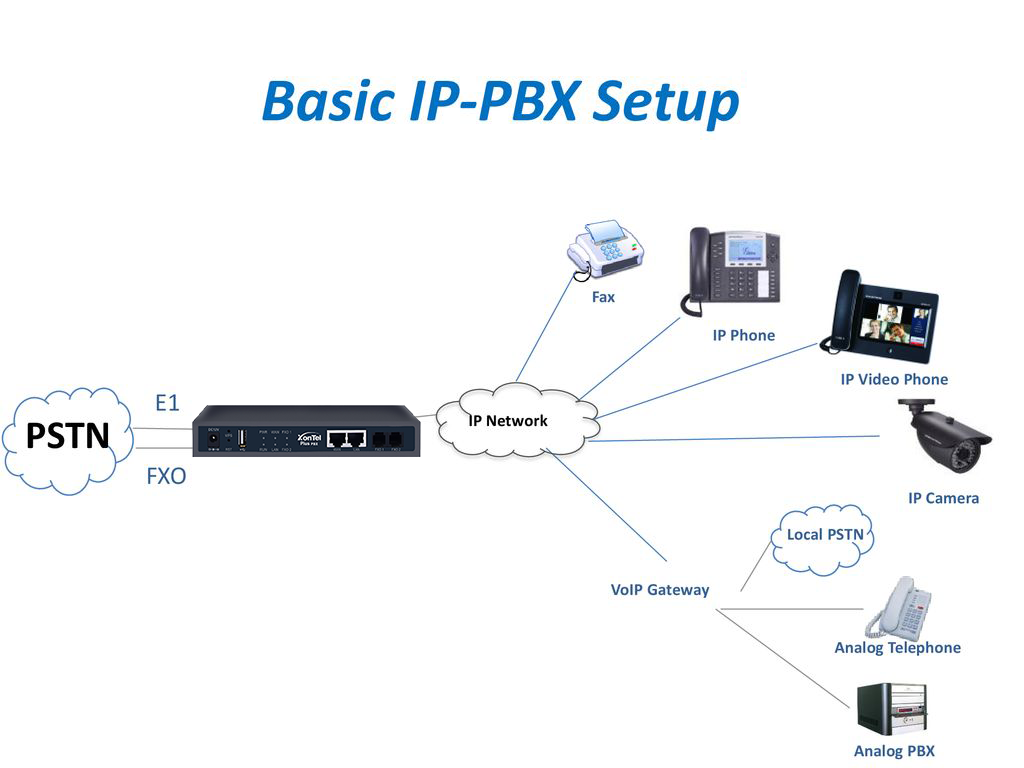
Internal Communication with IP PBX
An IP PBX (also called IP Switchboard or Internal IP Exchange) allows employees to communicate internally by simply dialing three or four digits.
The PBX also manages:
- Forwarding external calls to internal extensions
- Connecting internal users to external numbers and redirecting them to other extensions
- Multi-party calls and call cost tracking
These systems are typically managed by qualified IT or telecom technicians.
Integrating Internal Networks with IP PBX Systems
One of the most important advancements in communication technology was the integration of corporate local area networks (LANs) with internal telephone systems.
This integration led to the emergence of IP-PBX systems, which transmit voice as data packets over the Internet Protocol (IP).
As a result, companies can now conduct phone calls using their internal data networks instead of traditional analog lines—bringing together voice and data communication on a single infrastructure.
This innovation gave rise to a new generation of network-based PBX systems, which quickly began replacing traditional analog PBXs due to their efficiency and flexibility.
IP PBX Growth in the United States:
In the United States, for example:
- The distribution of IP PBX systems increased from 1% to 16% of total PBX sales within five years.
- The distribution of traditional PBXs dropped by 11% during the same period.
- This trend is expected to continue in the coming years as more businesses transition to IP-based communication.
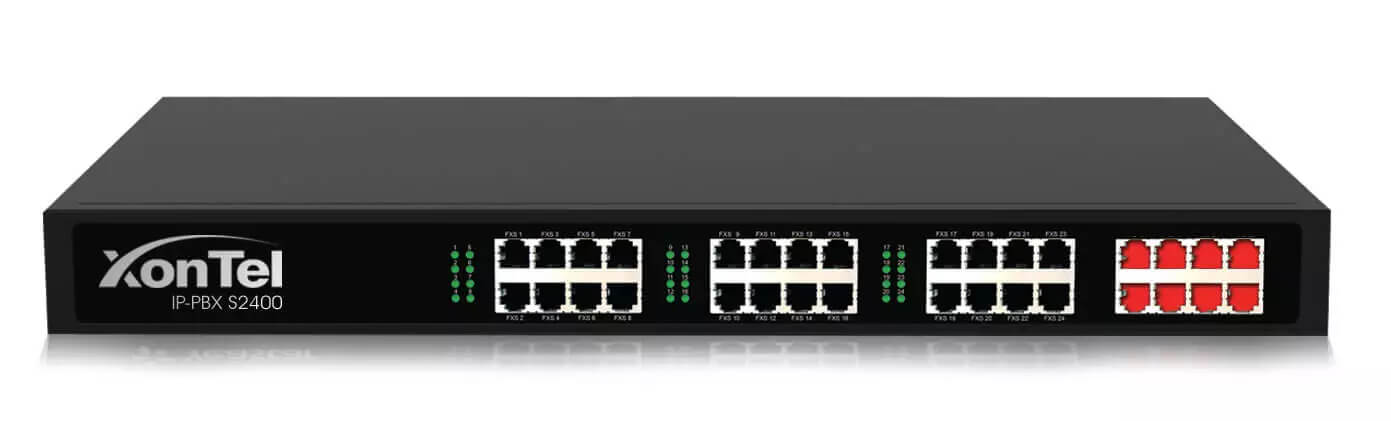
Why IP PBX Systems Outperform Traditional PBXs
IP-based PBX systems offer numerous advantages over traditional systems, including:
1. Easy Relocation
The IP PBX system can be moved anywhere with minimal effort.
2. Flexible Connectivity
Devices can connect to the PBX (Private Branch Exchange) from inside or outside the company.
3. High-Quality Voice Transmission
Calls are transmitted via advanced IP technology for superior quality.
4. Remote Work Compatibility
Employees can use IP phones from offices, homes, or mobile devices—whether using physical phones or mobile applications.
5. Enhanced Features Not Available in Analog Systems
IP phones provide advanced functionalities not available in traditional analog systems.
6. Advanced Features and Capabilities
IP phones offer features such as:
- Visual voicemail
- Personal folders and contact management
- Call recording
- Video conferencing
- Integration with email and CRM systems
These features make IP PBX systems far more powerful and efficient than traditional analog systems.
XonTel, a brand of Sahab Technology, is the first and only Arab company to develop and manufacture IP-based PBX systems using advanced VoIP technology.
For more information about XonTel IP PBX systems click here.
Follow us on LinkedIn
Frequently Asked Questions (FAQ)
What is an IP PBX?
An IP PBX (IP exchange) is an internal communications system that uses Internet Protocol to manage calls between employees and to connect internal extensions with external calls. It can be operated through IP phones or computer and mobile applications.
What is the difference between a traditional (analog) internal PBX and an IP PBX?
A traditional PBX relies on old copper wiring and cabling and has limited capabilities, while an IP PBX operates over the internet and IP data packets, enabling advanced features such as remote work, highly flexible call forwarding, visual voicemail boxes, and significant cost reduction.
What equipment is required to run an IP PBX?
This depends on the type of system, but it may include an IP PBX server or a cloud service, a stable data network, IP phones or softphone applications, and switches that support networking and Power over Ethernet (PoE) when needed.
Can more than one branch be connected to a single PBX?
Yes, company branches, offices, and remote employees can be connected within a single system, allowing them to communicate via internal extension numbers while their settings and calls are managed centrally.
Does an IP PBX need an internet connection?
The system needs an internal IP network to run internal calls. Internet access becomes necessary when using a cloud-based PBX, connecting employees and branches from outside the company, or using SIP-based communication services over the internet.
How does an IP PBX work within companies and organizations?
The internal PBX allows employees to communicate with each other via short extension numbers (three or four digits), in addition to integrating the company’s computer network with the communications system to transmit voice as data packets, and managing and routing internal and external calls with high efficiency.
Is an IP PBX the same as an IP PBX (system)?
Yes, the two terms are typically used to refer to the same system. “IP PBX” is the technical English term, while in Arabic it is known as “IP central,” “IP switchboard,” or “network-based PBX.”
Which is the leading Arab company in manufacturing and developing IP PBX systems?
Xontel is considered the first and only Arab brand developing and producing PBX systems and switchboards that operate on the latest advanced IP technologies, meeting the needs of the Arab and global telecommunications market.