Surveillance cameras are among the most widely used and prevalent modern technologies, and they are relied upon as a fundamental part of our daily lives. They have a variety of uses, as they monitor and observe people and properties. They are often used for security purposes, but they can also be used for other purposes, such as monitoring traffic or investigating crimes and incidents around.
With the advancement of technology, the reliance on surveillance cameras has increased significantly. Some cameras are capable of 360-degree filming, while others are equipped with night vision and infrared capabilities. Some types have also been developed with face recognition software, which can identify faces in real-time, or license plate recognition software.


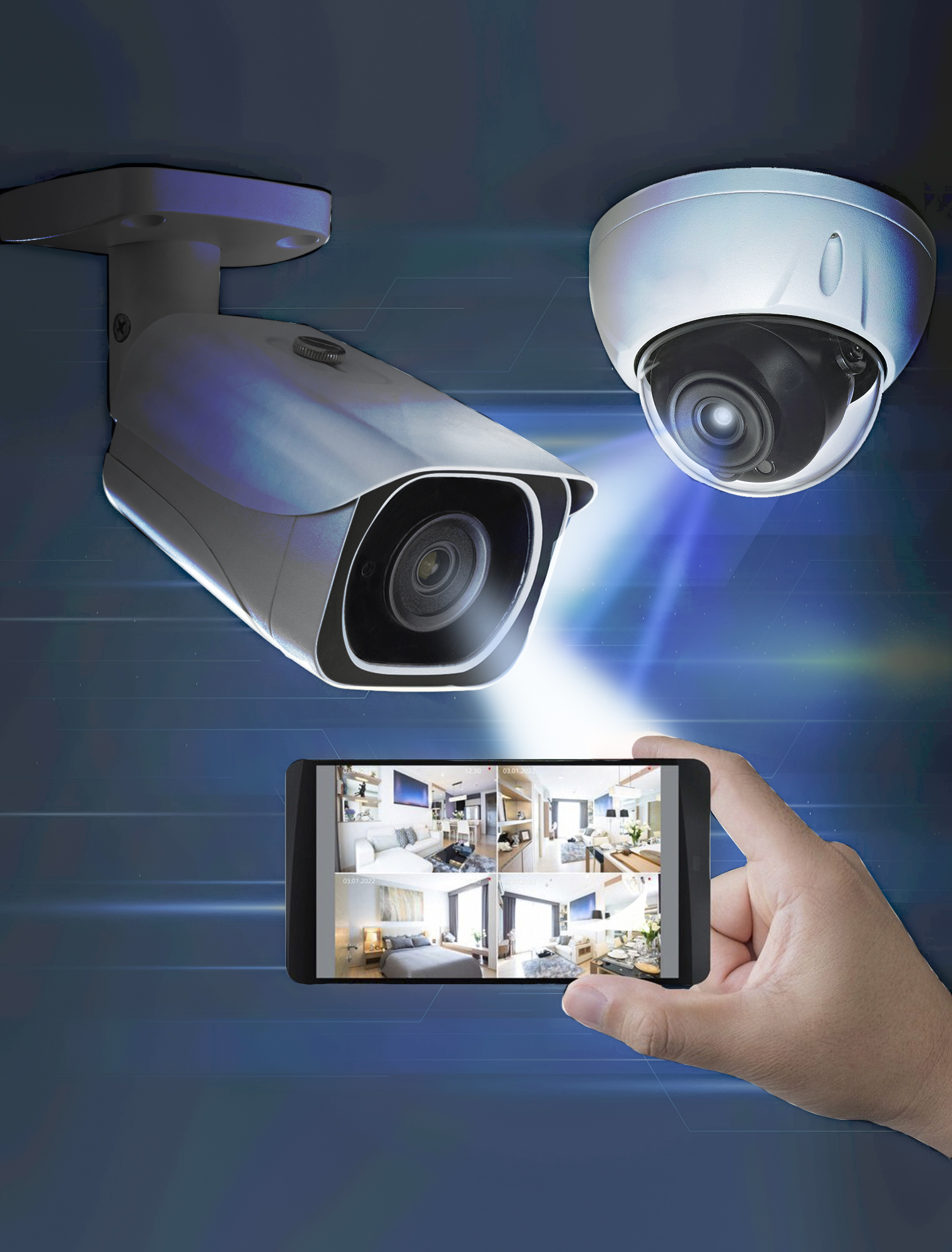
(Guide to Buying Surveillance Cameras)
Types of Surveillance Cameras:
There are two main types of surveillance cameras :
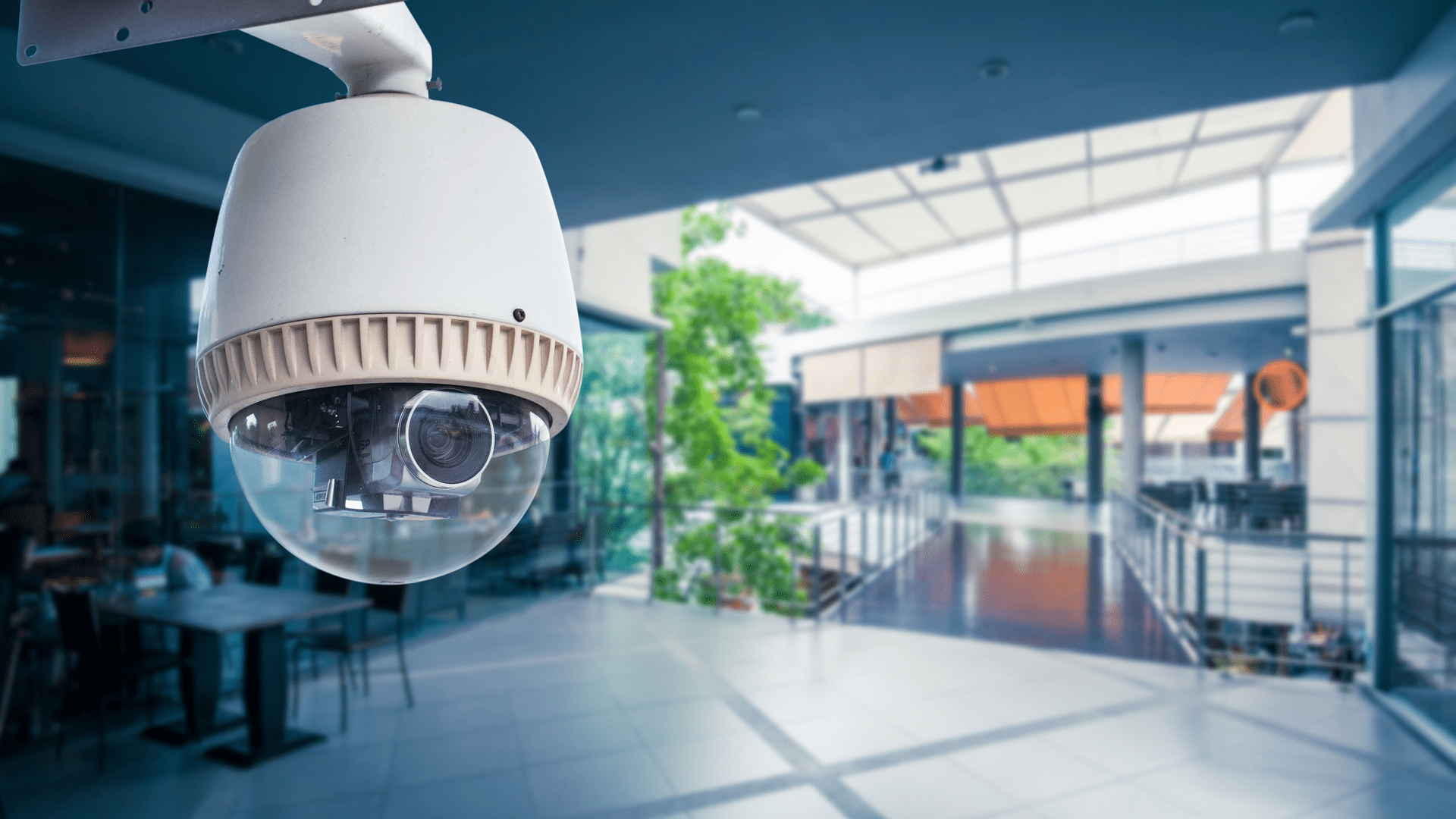
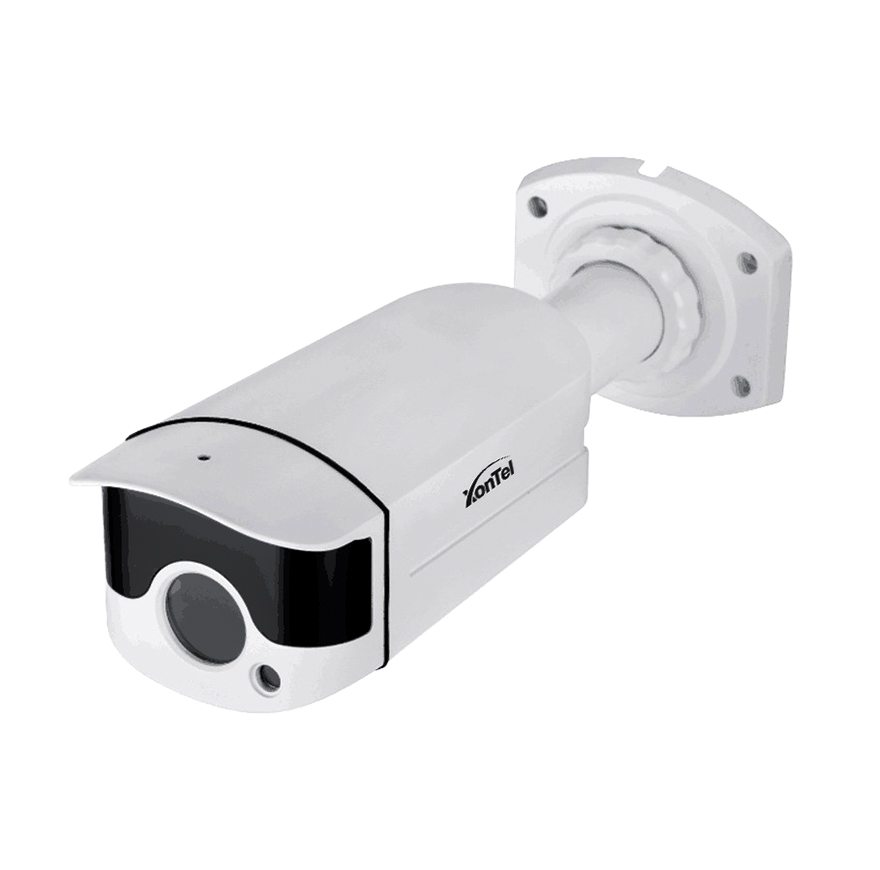
Outdoor Cameras / Outdoor CCTV:
Outdoor surveillance cameras installed outside the house or building need to be protected and monitored.
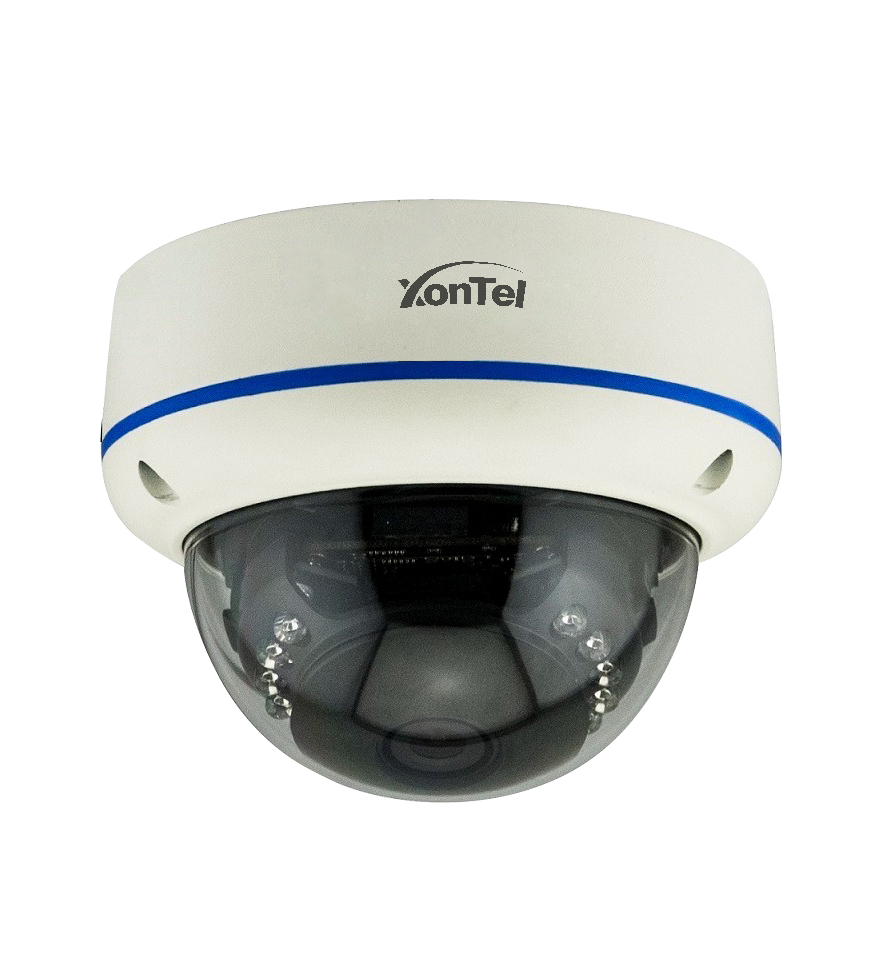
Indoor Cameras / Indoor CCTV:
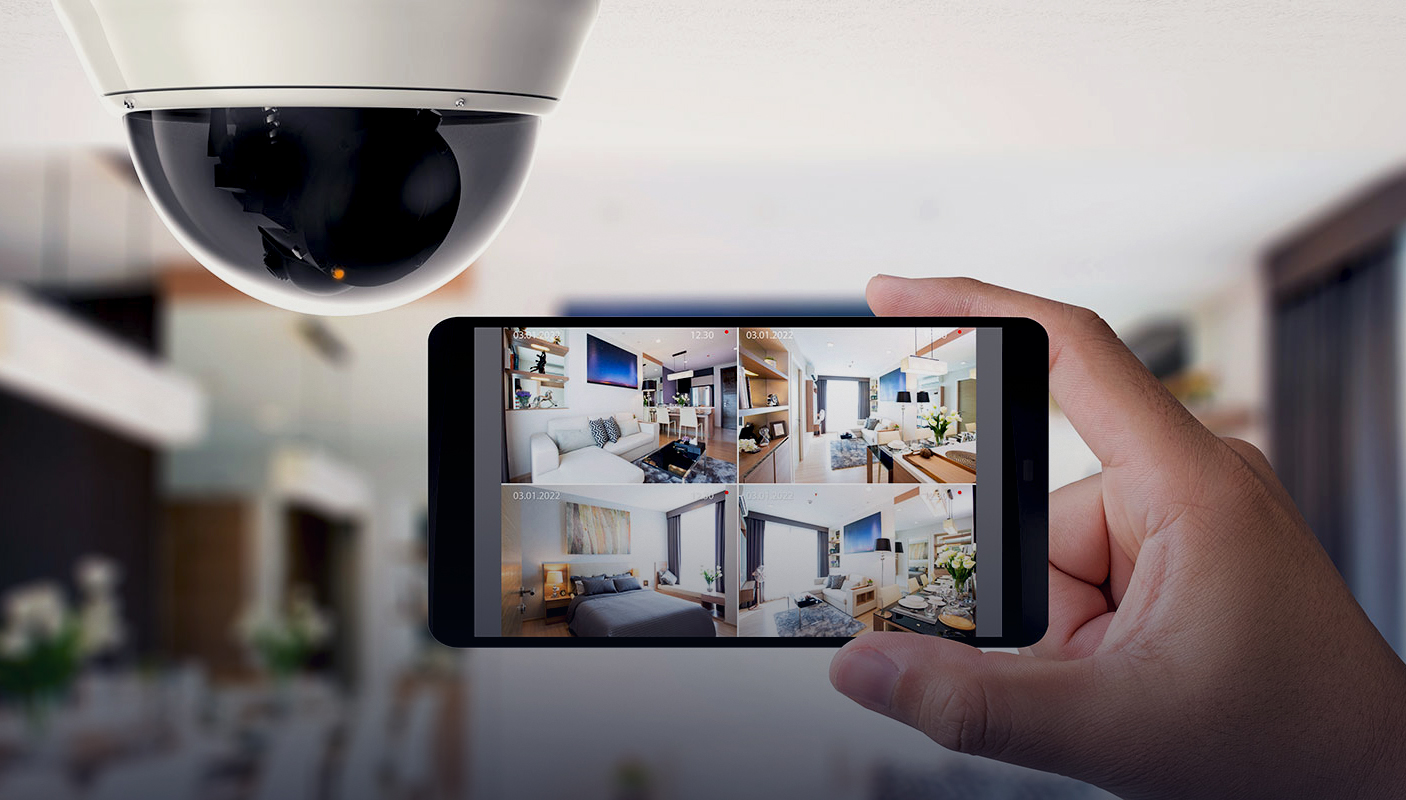
Indoor surveillance cameras CCTV is essential to protect or monitor the cameras installed inside a house or building.
In this article, we will review the most critical points that should be considered when purchasing surveillance cameras or a guide to buying surveillance cameras.
What features should be considered when buying indoor surveillance cameras?
Provide good image quality:
Be equipped with motion sensors:
Surveillance cameras can be set to record continuously or only when movement is detected in the area, or both options can be used together. The camera can also send specific alerts when movement is detected in a certain location, which facilitates monitoring.
Speed of Accessing Stored Data:
The camera can record on cloud storage or internal storage, such as a micro SD card. You can use both options, and you must ensure that you can easily access the images and videos to view the events in real time or after they occur.
Equipped with Wide-Angle Lenses:
Equipped with Microphone and Speakers:
Equipped with Synchronization and Scheduling Features (Advanced Features):
This is one of the most important features for preserving privacy. The indoor surveillance cameras can recognize the homeowner’s face through facial recognition technology. After recognizing them, the camera stops working as long as the homeowner is inside, and the operation resumes once they leave the home. It can also do this by synchronizing with your mobile phone and its geographic location. You can also set schedules with specific hours and days for the cameras to operate or stop as needed.
What features should be considered when buying outdoor surveillance cameras?
High Quality and Resolution:
Motion Detection Alert:
Easy Access to Stored Data:
Night Vision:
Sound Detection and Tracking:
XonTel provides the latest technology in surveillance cameras, rivaling its global counterparts and at competitive prices. It also provides a highly professional and efficient support team to accurately and efficiently meet the needs of all its customers. It is considered the best choice for surveillance cameras.
For more information, contact us now – click here.
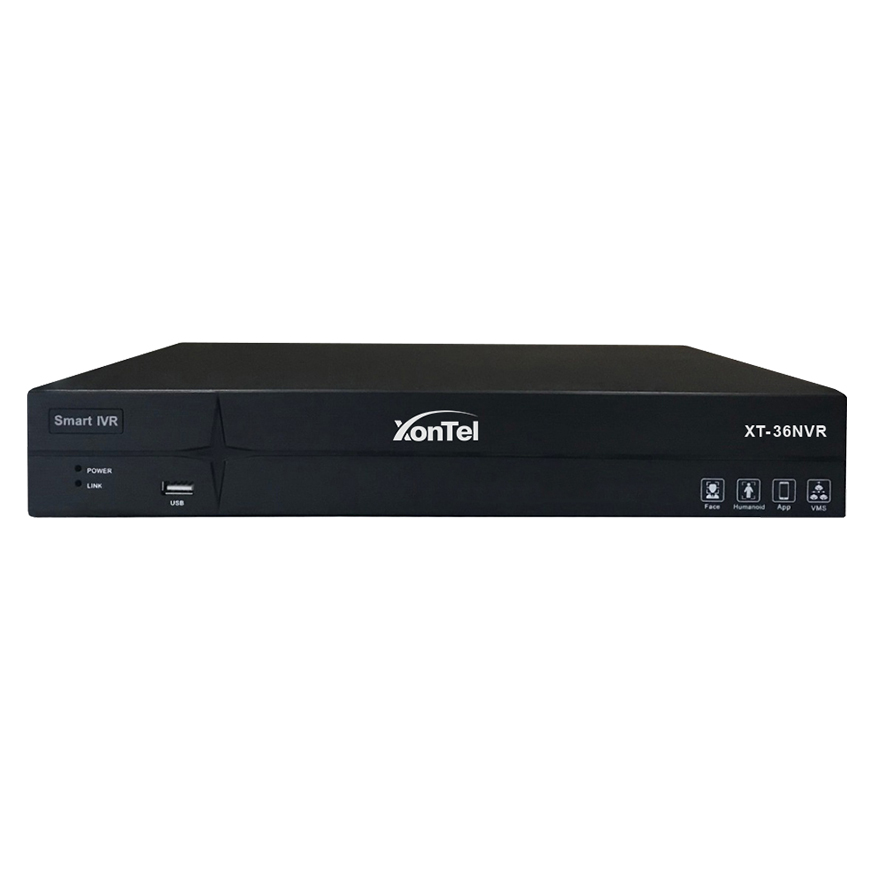
Related Products:
Frequently Asked Questions (FAQ)
How do I choose the right surveillance cameras?
Choosing the right surveillance cameras depends on the installation location, coverage area, required image quality, and the need for night vision, audio recording, or motion detection. You should also determine whether you need wired or wireless cameras, and how recordings will be stored.
Do surveillance cameras need an internet connection?
Cameras don’t need the internet for local recording on a DVR or NVR device. However, an internet connection is necessary if you want to view surveillance cameras remotely from your phone or receive motion alerts while away from the location.
What is the difference between indoor and outdoor surveillance cameras?
Indoor surveillance cameras are used to monitor enclosed spaces like homes, offices, and stores, while outdoor surveillance cameras are designed to withstand weather conditions such as heat, dust, humidity, and rain. An outdoor camera should therefore have a suitable protection rating, such as IP66 or IP67.
What features should outdoor surveillance cameras have to ensure the highest security?
Outdoor surveillance cameras require special specifications to withstand weather conditions and secure the perimeter of buildings, most importantly:
- Ultra-high resolution (such as 4K) to capture fine details of the exterior surroundings.
- Support for instant motion alarm systems.
- Advanced infrared night vision to detect movement in complete darkness.
- Sound detection and tracking (such as glass breaking or unusual sounds) to add a proactive layer of security.
- Easy, fast access to recorded data when needed.
How are surveillance camera recordings stored?
Recordings can be stored on a DVR or NVR device, a memory card inside the surveillance camera, or through cloud storage. The retention period for recordings varies depending on storage capacity, the number of cameras, recording resolution, and the number of recording hours per day.
Do surveillance cameras record audio?
Some types of surveillance cameras come with a built-in microphone for audio recording, while others require an external microphone. You should make sure audio recording complies with the laws and regulations in effect in your country, especially in workplaces and public spaces.
How long are surveillance camera recordings kept?
There’s no single retention period suitable for all systems; recordings may be kept anywhere from several days to several months. The duration depends on hard drive capacity, the number of cameras, recording resolution, frame rate, and whether recording is continuous or motion-triggered.
What are the basic criteria when choosing indoor surveillance cameras?
When choosing indoor surveillance cameras for a home or office, several key features should be considered to ensure effective protection, including:
- High-quality image (at least HD) to ensure clear details and system reliability.
- The camera should have a motion sensor to alert you as soon as any unusual activity occurs.
- Fast, easy access to stored data and the ability to review it via smart devices.
- Wide-coverage lenses to cover as much of the room as possible.
- The camera should include a microphone, speaker, sync feature, and advanced scheduling options.