The Difference Between Analog CCTV Cameras and IP Cameras: Advantages and Disadvantages

cctv camera ip camera digital camera
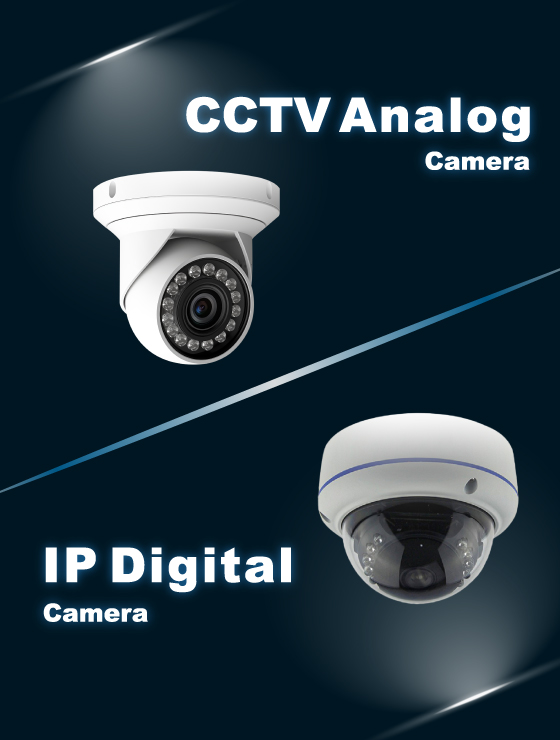
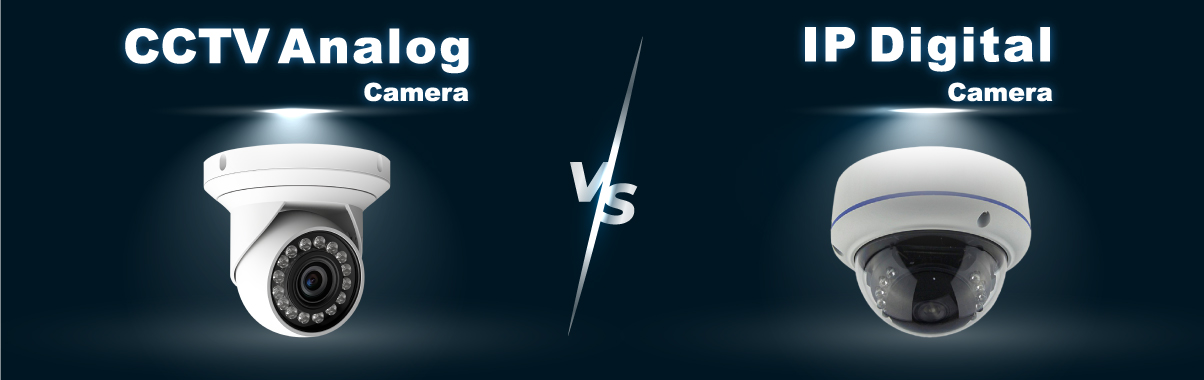
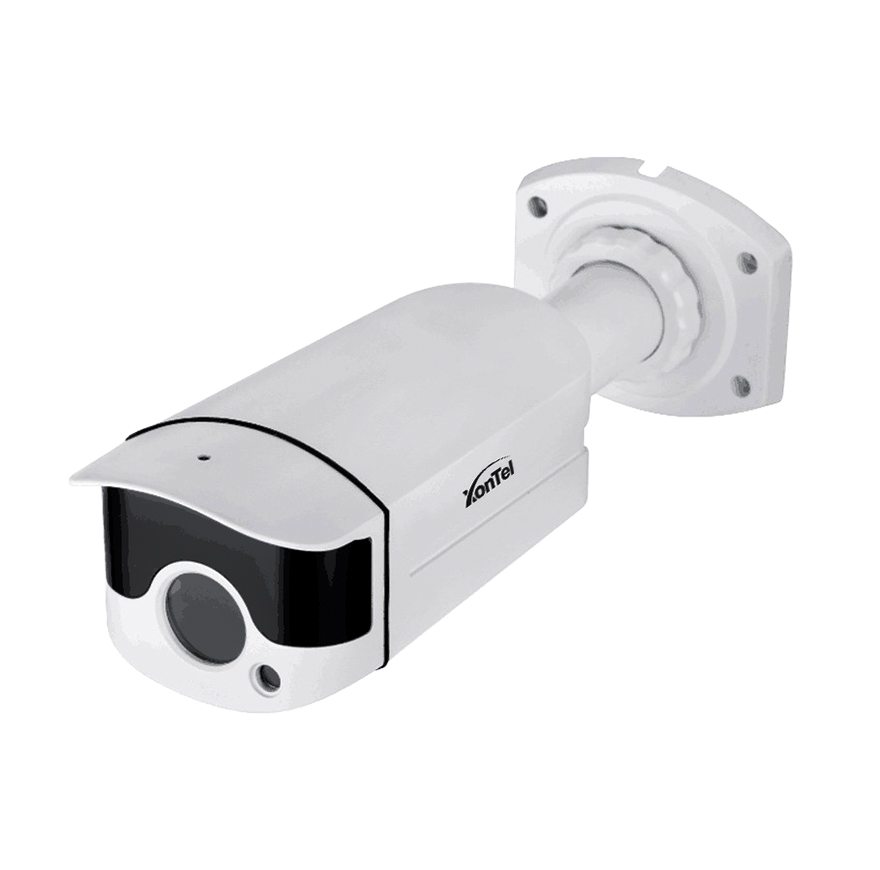
Analog CCTV Cameras IP Cameras

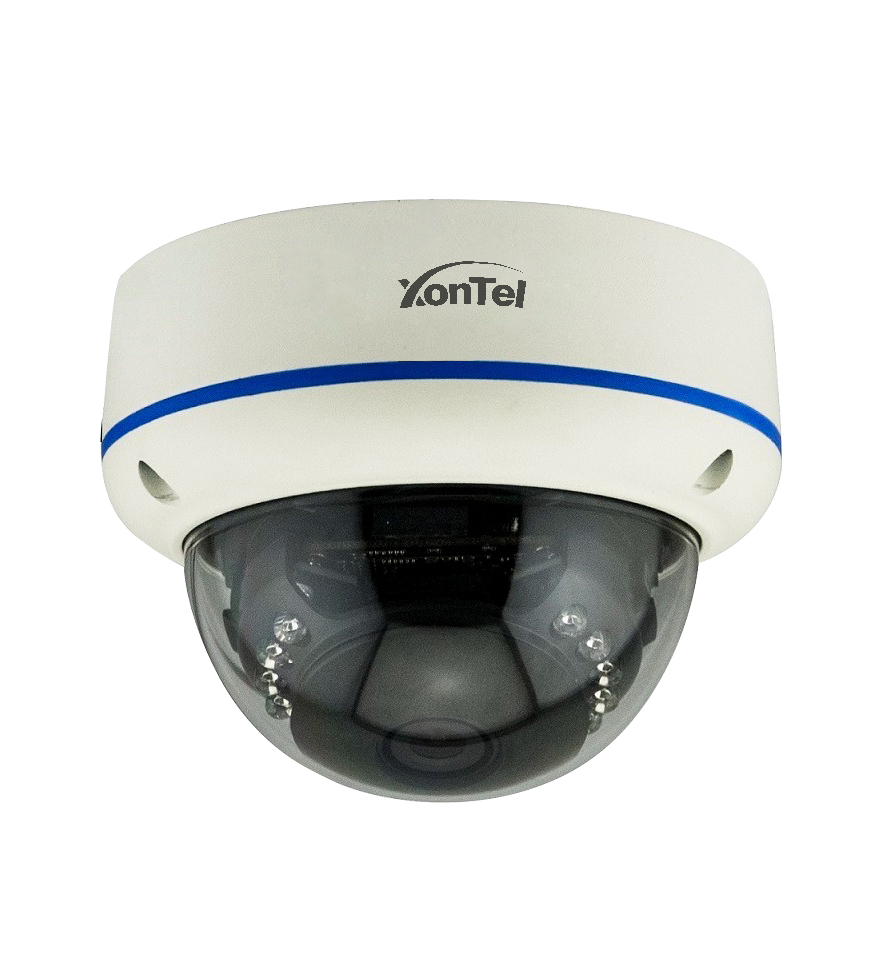
Modern IP-based surveillance cameras, also known as IP Cameras or IP Digital Cameras, and analog CCTV (Closed-Circuit Television) Cameras are widely used for security purposes. Each type has its strengths and weaknesses. Let’s explore the key features and drawbacks of each.

Firstly, IP Cameras:
Image Quality: IP cameras generally provide higher image resolution and clarity than traditional analog CCTV cameras. They can deliver high-definition and even ultra-high-definition (UHD) video.
Flexibility: IP cameras are more flexible in terms of installation. They can be easily integrated into a company’s or home’s internal network, and many support Power over Ethernet (PoE), which means that power and data can be transmitted through a single network cable without needing dedicated power adapters.
Remote Access and Control: IP cameras often integrate with the internal network, allowing for remote monitoring and access. You can view camera feeds from anywhere with an internet connection.
Advanced Features: IP cameras typically offer advanced features such as:

  • Motion detection and analysis with alert notifications
  • Some models have built-in microphones
  • Infrared night vision capabilities
  • Superb zoom and video enhancement capabilities
  • 180-degree panning ability
  • Mobile alert notifications
  • Ability to make VoIP (Voice over IP) calls over the network

Scalability: IP camera systems are generally more scalable. You can easily add more cameras to your network without significant changes to the infrastructure.
Secondly, CCTV Cameras (Analog):
Cost: Traditional CCTV systems are often more budget-friendly, especially for smaller locations. The cameras and their associated components are generally less expensive.
Ease of Installation and Operation: CCTV systems are relatively simple to set up and operate, making them the optimal choice for non-expert users.
Reliability: Some users claim that analog CCTV cameras systems may be more stable in some instances, as they operate independently of the network system and are thus isolated from common network issues.
Ultimately, the “optimal” choice depends on your requirements, the features you cannot compromise on, and the allocated budget. It may be beneficial to consult with security professionals to assess your needs. XonTel Technology is one such company that can assist you.
The Advantages

CCTV Camera

IP CCTV

Image resolution
Less
Higher
Image quality
worst
Better
Network connectivity
Requires additional equipment
Built-in
Remote access
No
Yes
Advanced features
No
Yes
The Cost
lower cost
More expensive
Ease of Installation
Easy
Hard

Frequently Asked Questions (FAQ)

What is the difference between IP cameras and analog surveillance cameras?

IP cameras send image and data digitally over the internet or local network, while analog surveillance cameras transmit video to a DVR device via dedicated cables, such as coaxial cable. IP cameras typically offer higher resolution, smart features, and greater scalability, while analog systems are known for easy installation and lower cost in some projects.

Is CCTV the same as analog surveillance cameras?

The term CCTV doesn’t refer to a specific technology; it means a closed-circuit television system used for security surveillance. A CCTV system can be made up of either analog surveillance cameras or IP cameras, so it’s more accurate to use the term to describe the entire surveillance system, not just the camera type.

Which offers better image quality: IP cameras or analog cameras?

IP cameras typically offer wider options in terms of resolution and detail, making them suitable when facial recognition, reading license plates, or covering large areas is needed. However, some modern analog surveillance cameras can offer high quality, and the choice depends on the required resolution and budget.

Which is less costly: IP cameras or analog surveillance cameras?

Analog surveillance camera systems are often less costly when installing a limited number of cameras or making use of existing cable infrastructure. IP cameras may have a higher initial cost, but they offer greater scalability and advanced features, and can reduce the amount of cabling needed when using PoE technology.

What are the key features of IP cameras that make them the preferred choice for businesses and homes?

IP cameras stand out in several key areas, including:

  • High image quality and resolution: delivering ultra-clear (UHD) video compared to traditional systems.
  • Remote access and control: the ability to watch live streams and camera recordings from anywhere in the world via the internet and mobile apps.
  • Flexibility and easy scalability: the ability to add new cameras to the network without changing the infrastructure, with PoE support to simplify wiring.
  • Smart, advanced features: such as motion detection, built-in microphones, advanced night vision, and instant mobile alerts.

When are analog surveillance cameras the more suitable choice for a user?

Analog CCTV cameras are an excellent choice in the following cases:

  • Limited budget: since the cost of the cameras and their related components is significantly lower compared to digital systems.
  • Simplicity of use: being easy-to-set-up and operate systems that don’t require advanced technical expertise.
  • Independent reliability: operating separately from the internet or local network, making them immune to network outage and interference issues.

call2action-En

For more information about XonTel products and services, leave your data and one of our specialists will contact you